How to Choose the Perfect Journal for Daily Writing
Why a Dedicated Journal Matters
After thirty years of filling notebooks, I can tell you that the right journal for daily writing makes the difference between a habit that sticks and one that fades. I have tested dozens of brands and bindings, and I keep coming back to a few that simply work. A journal is not just paper and thread; it is the container for your thoughts, your rough drafts, your morning pages, and your private sketches. When you pick one that feels good in the hand and lays flat on the desk, you want to write every day.
Many people ask me what makes a journal for daily writing different from a random notebook. The answer lies in the paper quality, the binding, and the format. A daily writer needs paper that can handle a fountain pen without bleeding, a cover that survives a bag, and a size that slides into a work tote. I have owned Moleskine notebooks that fell apart after three months and Leuchtturm1917 journals that lasted a year. The difference is in the details.
Paper Matters More Than You Think
The first thing I check is the paper. Tomoe River Paper is famous among fountain pen users because it is thin yet remarkably resistant to bleed-through. I write with a fountain pen and a Pigma Micron for sketching, and Tomoe River handles both beautifully. The Midori MD Notebook uses a different but equally excellent paper. It has a slight tooth that grabs the ink just right. For daily writing, you want paper that does not fight you. Ghosting is fine; bleeding is not.
If you use a ballpoint or a gel pen, you have more options. Rhodia notebooks use a coated paper that makes every pen glide smoothly. I have a Rhodia No. 16 that I carry for quick notes and ideas. The coated surface means no feathering, even with a wet nib. But for a true journal for daily writing, I prefer a paper that ages well. Tomoe River paper develops a patina over time. The ink sits on the surface and dries with a slight sheen. It is a pleasure to look back at pages written years ago.

Binding and Cover: Hard or Soft?
The choice between a Soft Cover and a Hard Cover is mostly about where you write. A Hard Cover gives you a solid writing surface anywhere. I use a Leuchtturm1917 in hard cover for my desk journal. It opens flat and stays open. The elastic band keeps my place. On the other hand, a Soft Cover journal like the Field Notes brand is better for a pocket or a small bag. I carry a Field Notes for quick observations and errands. The soft cover bends and flexes without cracking.
For a dedicated journal for daily writing, I lean toward a hard cover. The spine is sturdier, and the pages stay aligned. But if you write in bed or on the couch, a soft cover might be more comfortable. The Hobonichi Techo, for example, has a soft cover option that feels almost like leather. It is flexible and light. The paper inside is Tomoe River, so you get the best of both worlds. I have used a Hobonichi Techo for three years now, and it remains my go-to for daily pages.
Format and Layout: Lined, Grid, or Blank?
The layout of the page can shape how you write. I prefer grid paper for most of my journals. The grid gives me structure for lists, sketches, and diagrams, but it does not impose a rigid line height. Lined paper is fine for straight prose, but I find it too restrictive for morning pages or bullet journal spreads. Blank pages are liberating, but they can be intimidating if you are not used to filling a white space. I use blank pages only in sketchbooks.
For a journal for daily writing, I recommend grid paper or dot grid. The Baron Fig journals use a subtle dot grid that is nearly invisible at a glance. It provides just enough guidance without shouting. I have a Baron Fig pocket journal that I use for writing prompts and ideas. The dot grid lets me write small or large, and it works for quick diagrams. If you are a dedicated writer, a grid journal gives you the most flexibility.
The Daily Habit: Morning Pages and More
I started writing morning pages after reading The Artist's Way by Julia Cameron. The idea is simple: write three pages every morning, longhand, without stopping. No editing, no judgment. Just get the thoughts out. That practice changed my writing life. But it only works if you have a journal that encourages the habit. A journal that is too precious or too expensive can make you hesitate. You want a journal that you are not afraid to fill with messy, raw writing.
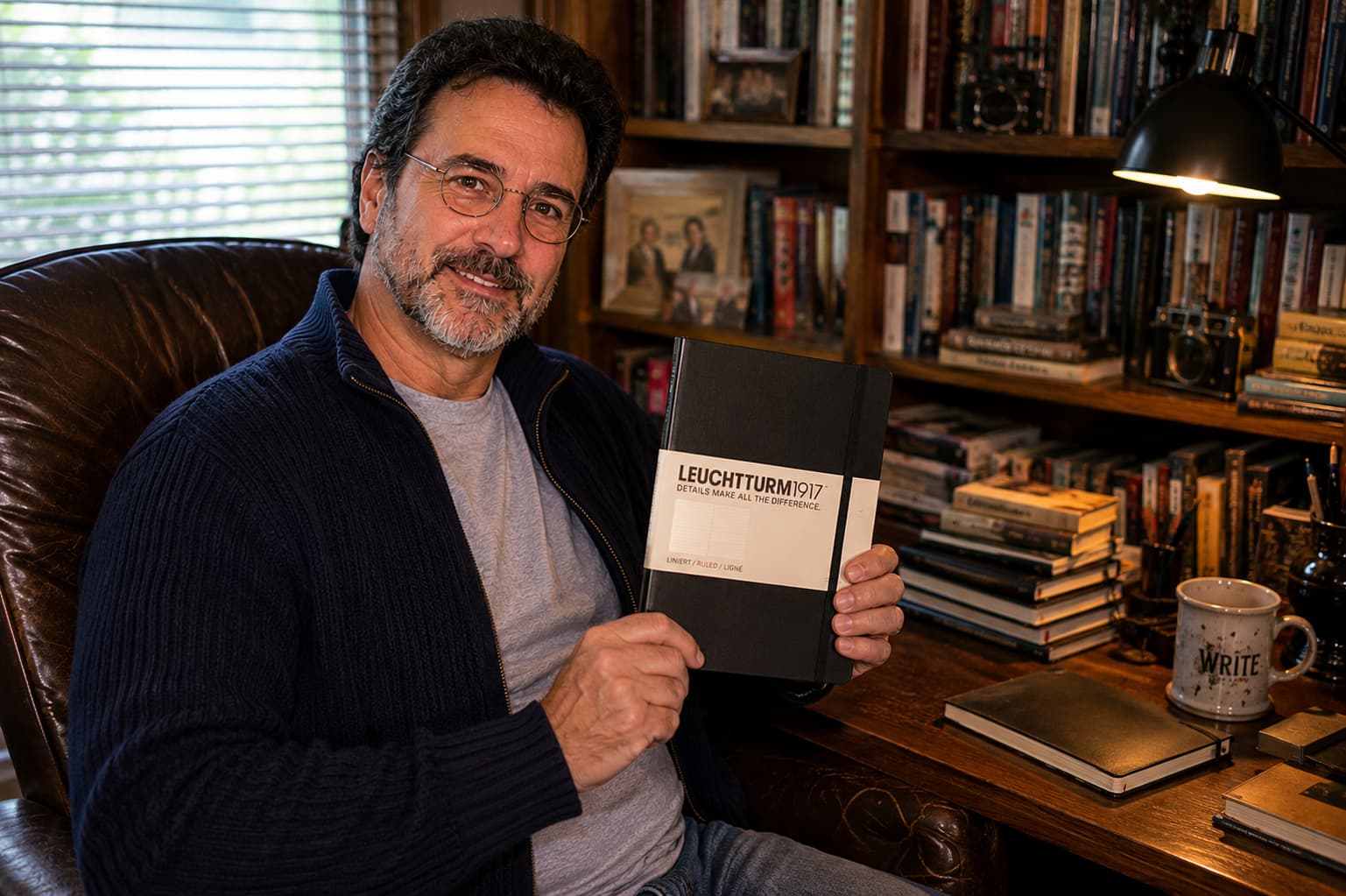
Over the years, I have used a variety of journals for this purpose. The Leuchtturm1917 is a favorite because it has numbered pages and a table of contents. I can index my entries and find them later. The Midori MD Notebook is less structured but equally reliable. It comes in a simple paper cover that you can personalize. For a daily habit, the material should not get in the way. You should reach for the journal without thinking.
Brands I Trust
Here is a short list of journals that I have tested and still use regularly. Each has a different strength, so consider what matters most to you.
- Leuchtturm1917, Best for structure and durability. Numbered pages, table of contents, and two bookmarks. Hard cover lasts for years.
- Moleskine, Classic and widely available. Paper is okay for most pens, but fountain pens bleed through. Good for ballpoint users.
- Rhodia, Excellent coated paper. Great for fountain pens and any wet ink. The spiral-bound pads are perfect for desk use.
- Midori MD Notebook, Minimalist and high-quality paper. The cover gets soft with use. Ideal for those who like a natural feel.
- Hobonichi Techo, Tomoe River paper in a compact daily planner. Perfect for daily pages and a bullet journal approach.
Each of these brands has a loyal following for good reason. The best journal for you is the one you actually write in. Do not get stuck on the hype. Try one, write in it for a month, and see how it feels.
Practical Tips for Starting
If you are new to daily writing, start small. Do not commit to a 500-page journal right away. A thin notebook like a Field Notes or a small Rhodia pad is less intimidating. Write for five minutes a day. Use writing prompts if you get stuck. Prompts like "What surprised me today?" or "What am I grateful for?" can get the words flowing. The goal is not perfection. The goal is showing up.
I keep a separate journal for writing prompts and exercises. That way, my morning pages stay free and uninterrupted. I use a Baron Fig pocket journal for prompts because it is small enough to carry everywhere. When an idea strikes, I jot it down. Later, I might expand it in my main journal. This system keeps the creative energy moving.
One Final Thought on Materials
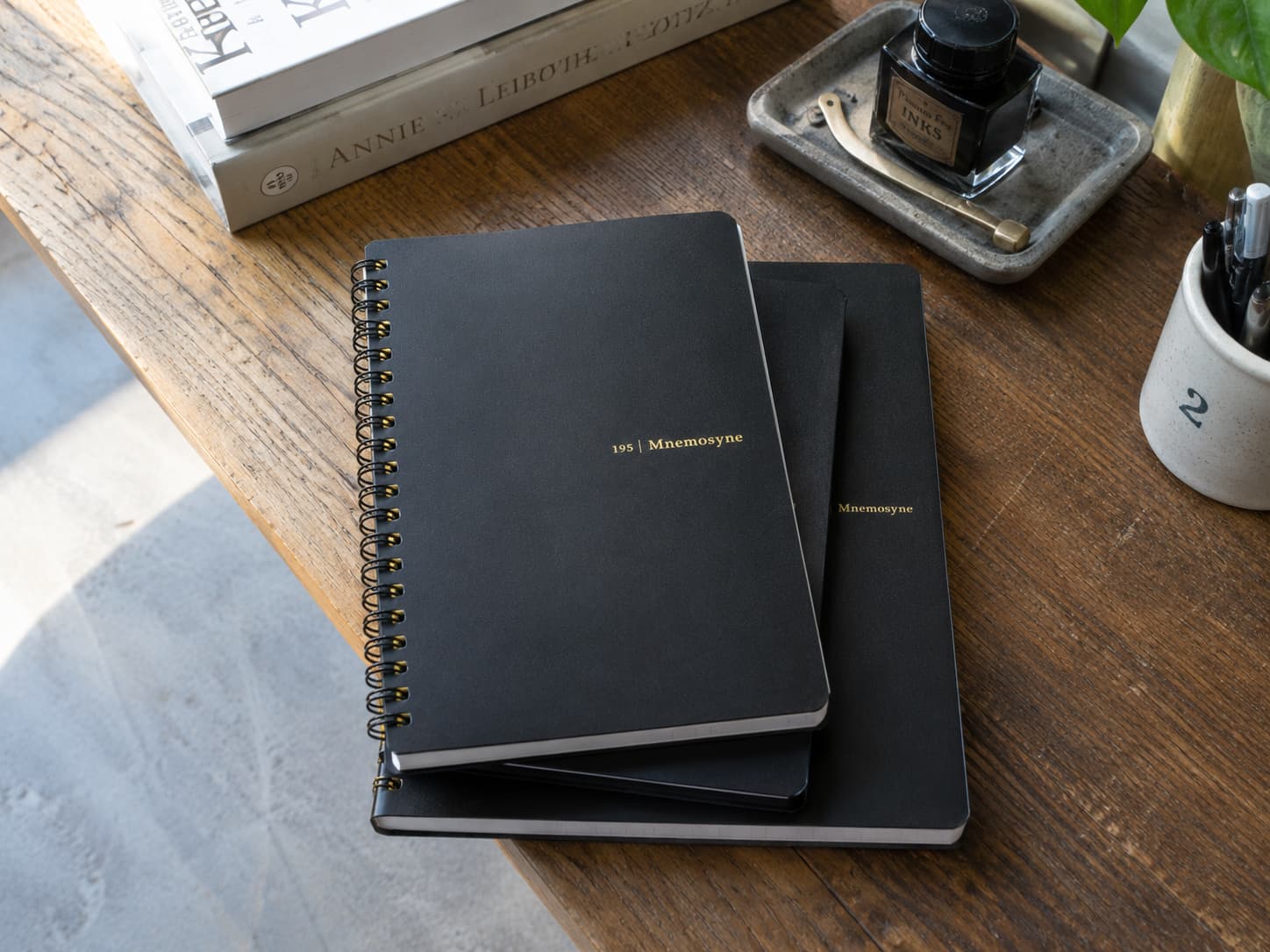
Do not overlook the pen. A good fountain pen or a Pigma Micron makes writing a pleasure. The combination of a quality journal and a smooth pen turns a chore into a ritual. I have used the same fountain pen for ten years. It is nothing fancy, but it fits my hand. When I sit down to write, the pen and paper feel like old friends. That is the feeling you want to cultivate.
Choosing a journal for daily writing is a personal decision. What works for me might not work for you. But I have found that the paper, the binding, and the layout all matter. A Leuchtturm1917 with grid paper and a hard cover is my standard recommendation for anyone serious about a daily writing habit. If you prefer something lighter, try a Hobonichi Techo or a Midori MD. The important thing is to start and to keep going.